
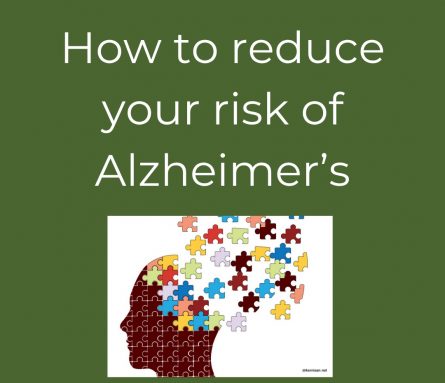
When people think about Alzheimer’s disease and dementia, many assume it is simply an inevitable part of getting older — something written into our genes and beyond our control.
But the science tells a very different story.
Today is World Alzheimer’s Prevention Day, and it’s the perfect opportunity to talk about something incredibly empowering:
There is a lot we can do to reduce our risk.
While age is certainly a risk factor, research suggests that only around 1% of Alzheimer’s cases are caused purely by genetics. For most people, the greatest influences are the everyday nutrition and lifestyle choices we make over time.
This is incredibly hopeful news.
It means that protecting your brain health doesn’t require waiting for symptoms to appear or accepting decline as inevitable. It means we can take action now — and the earlier we start, the better the long-term outcomes.
1. Reduce ultra-processed foods
Modern diets are often dominated by ultra-processed foods (UPFs) — packaged products high in refined sugars, poor-quality fats, additives and artificial ingredients.
These foods promote inflammation, blood sugar imbalance and oxidative stress, all of which are linked to cognitive decline.
Reducing foods such as:
• Sugary cereals
• Packaged snacks
• White bread
• White rice and pasta
• Sweetened drinks
• Highly processed ready meals
Can have a significant impact on long-term brain health.
2. Eat more healthy fats
Your brain is nearly 60% fat, so it relies on good-quality fats to function well. Brain-supportive fats include:
• Oily fish (salmon, sardines, mackerel)
• Extra virgin olive oil
• Nuts and seeds
• Avocados
These provide essential omega-3 fats and anti-inflammatory compounds that support memory, concentration and cognitive resilience.
3. Fill your plate with colour
Colourful vegetables and fruits are rich in antioxidants and plant compounds that help protect brain cells from damage. Aim for variety:
• Dark leafy greens
• Berries
• Peppers
• Beetroot
• Purple cabbage
• Broccoli
• Tomatoes
The more colour, the broader the protective benefits.
4. Move your body regularly
Exercise increases blood flow to the brain, supports the growth of new brain cells and improves memory and mood. You do not need intense workouts to benefit. A brisk walk three times a week is enough to make a meaningful difference. The key is consistency.
5. Keep learning
Learning something new strengthens neural connections and builds “cognitive reserve” — the brain’s ability to compensate for age-related changes. This could mean:
• Learning a language
• Taking up an instrument
• Doing puzzles
• Trying a new hobby
• Reading widely
The goal is novelty and challenge.
6. Prioritise stress management
Chronic stress raises cortisol levels, which over time can damage areas of the brain involved in memory and learning. Simple daily practices can help:
• Deep breathing
• Meditation
• Walking in nature
• Gentle yoga
• Journalling
• Spending time with people who calm and uplift you
Protecting your peace protects your brain.
7. Make sleep non-negotiable
During sleep, the brain clears away waste products, including proteins associated with Alzheimer’s disease. Aim for 7–8 hours of quality sleep each night.
Poor sleep isn’t just exhausting — it’s a significant risk factor for long-term cognitive decline.
8. Live with purpose
Research consistently shows that people who feel their lives have meaning tend to have better cognitive outcomes. Purpose doesn’t need to be grand. It might come from:
• Relationships
• Volunteering
• Creativity
• Learning
• Helping others
• Doing work that matters to you
• Purpose keeps the brain engaged and resilient.
9. Test, don’t guess
Certain biomarkers can reveal hidden risks long before symptoms appear. Useful markers to assess include:
• Vitamin D
• Homocysteine
• HbA1c (blood sugar regulation)
• Nutrient deficiencies
Testing gives clarity and allows targeted action.
Small changes create powerful results. Brain health is not shaped by one single “magic” food or supplement. It is built through consistent daily choices.
The good news?
You do not need to change everything overnight.
Choose one small step and start there.
Because prevention begins long before symptoms ever appear — and every positive choice you make today is an investment in your future brain health.
What is one change you could make this week to support your brain?