Helen Ritchie
Registered Nutritional Therapist
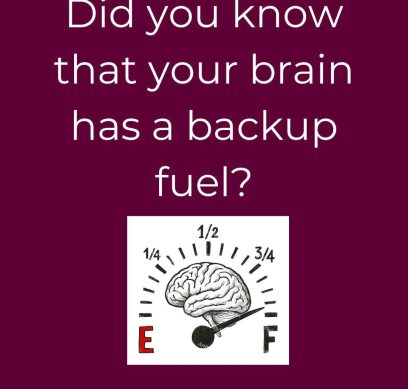
Did you know that your brain has a back up fuel?
Your brain relies mainly on glucose for energy, but can also use ketones when glucose is in short supply.
During menopause, changes in insulin sensitivity, muscle mass and body fat can affect metabolic health.
The good news? Muscle, movement, sleep and nourishing food support both metabolic and brain health.
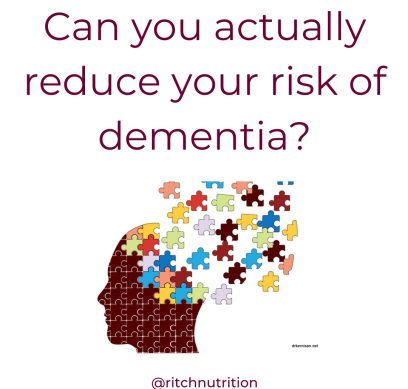
Can you really prevent dementia?
The Lancet Commission estimates up to 45% of dementia cases could be prevented or delayed by addressing 14 modifiable factors, from inactivity and blood pressure to hearing loss and isolation. No magic brain food, just everyday habits over decades.
👉 Get your Brain Scorecard: ritchnutrition.com/scorecard
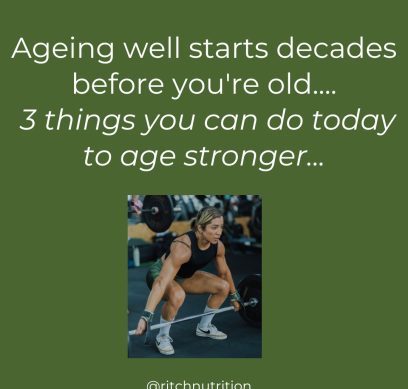
Ageing well starts decades before you’re old: 3 things you can do today to age stronger…
Your bones, muscles and brain are more connected than you might think. Healthy ageing isn’t simply about living longer - it’s about maintaining strength, mobility, independence and cognitive function. Start today: challenge your muscles with strength training, eat enough protein and embrace a diverse, nutrient-rich diet. Your future self will thank you.
Does everyone really need to take Vitamin D?
Vitamin D supports calcium absorption, bone, muscle and immune health, and genuine deficiency should be corrected. But the large VITAL trial found 2,000 IU daily didn't significantly reduce fractures, falls, cancer or heart disease in generally healthy adults with adequate levels. Learn what it does and doesn't prove, and what matters for menopause and osteoporosis.