
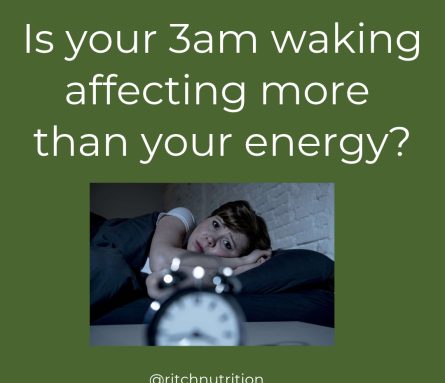
You wake in the early hours. Your mind switches on. You start thinking about everything and nothing. And when morning comes, you feel as though you've barely slept.
Sound familiar?
For many women in midlife, disrupted sleep becomes frustratingly familiar. Hormonal changes, stress, anxiety, alcohol, blood sugar fluctuations and other factors can all play a part.
But here's something worth paying attention to: sleep isn't just about how you feel tomorrow. It's also part of the bigger picture of long-term brain health.
During sleep, your brain carries out essential maintenance processes, including those involved in memory consolidation and the clearance of metabolic waste.
Research also links chronic sleep disruption with poorer cognitive health, although the relationship is complex and doesn't mean that a few disturbed nights will cause dementia.
So, if you're regularly waking at 3am, it may be time to look beyond another cup of coffee to get you through the day.
Three places to start:
🌙 Look at your sleep routine. Keep regular sleep and wake times, get daylight early in the day and make your bedroom cool, dark and quiet.
🥗 Review your daily habits. Notice whether alcohol, late caffeine, evening meals or going to bed hungry seem to affect your sleep.
🧠 Look at the bigger picture. Menopause symptoms, stress, medications, sleep apnoea and other health issues can all disrupt sleep. Persistent problems deserve proper investigation.
And remember: waking at 3am isn't automatically a sign of a blood sugar problem, hormonal imbalance or future cognitive decline. The important thing is understanding what's driving it for you.
Your sleep matters today. And protecting your brain health matters for the years ahead.
If broken sleep has become your normal, perhaps it's time to stop simply putting up with it.
💬 Do you regularly wake in the early hours and struggle to get back to sleep? If so check out my free sleep guide on how to get a good night's sleep: https://ritchnutrition.com/sleep