Many women think menopause symptoms are simply caused by a lack of hormones.
But there's another important piece of the puzzle: hormone activation. Following on from my two previous posts about the hormone life cycle – I've covered production and transport, today I'm talking about activation.
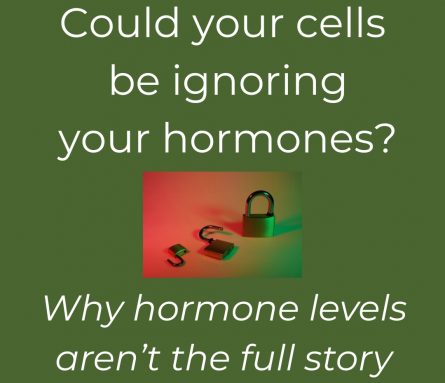
When hormones have been produced and transported around the body, they still need to bind to receptors on your cells to do their job. Think of these receptors as locks, and hormones as the keys.
For those keys to work effectively, your cells need the right nutritional support.
Key nutrients that help hormone activation include:
🌱 Phytoestrogens from flaxseeds, soy and legumes, which can gently support oestrogen receptors. Especially if you're not taking HRT.
🐟 Omega-3 fats, which help maintain healthy cell membranes and receptor function.
🫐 Antioxidants from berries, leafy greens and green tea, which help protect cells from damage.
🥜 Minerals such as magnesium and zinc, which play important roles in cellular communication.
☀️ Vitamin D, which helps regulate hormone receptor activity.
This is why getting your nutrition right at menopause is so powerful.
Menopause isn't a single hormonal event. It's a whole-body transition involving hormone production, transport, activation, metabolism and elimination.
When we support the entire hormone life-cycle, we help the body adapt more successfully and reduce the severity of symptoms.
If hormones are the key, your cells are the lock.
And if the lock isn't working properly, simply having more hormones may not solve the problem.
Learn how to support your hormones naturally with a whole-body approach is the philosophy behind The Menopause Method© - my personalised 12-week pro-gramme that helps women understand their unique symptoms, support their hormone health naturally, and feel like themselves again.
Because managing menopause isn't just about replacing hormones.
It's about supporting the whole woman.